Key takeaways
- Follow the main steps in Cursor AI Code Editor: How to Get Started and Ship Faster in order; skipping prerequisites is the most common source of errors.
- Prioritize official packages, backups, and rollback paths when the guide touches servers, security, or production tools.
- Use the Next Read links at the end to continue with related setup, performance, or protection tasks.
Software teams are now reporting a 40 percent productivity boost after switching to AI-native code editors — and Cursor is leading the charge. If you are still writing code without an AI assistant, you are working slower than your peers.
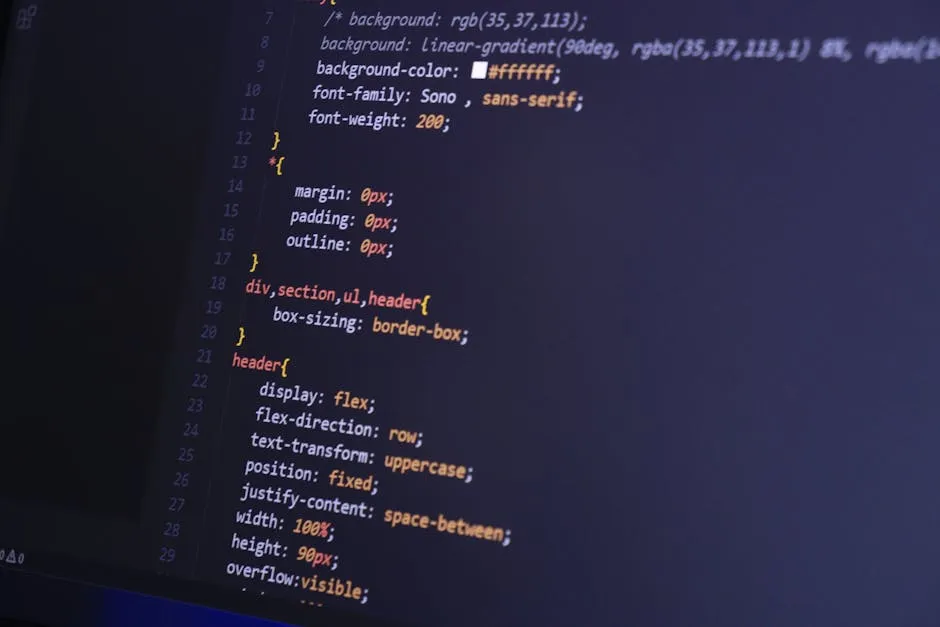
Cursor is an AI-first code editor built on top of Visual Studio Code. It brings intelligent tab completion, a chat-based debugging panel, and autonomous coding agents directly into your development workflow. The Cursor AI code editor surpassed two billion dollars in annualized revenue in March 2026, doubling that figure in just three months. That growth signals one thing: developers who try it tend to stay.
In this guide, you will learn how to install Cursor in under five minutes, configure its three most impactful features, and use Background Agents to delegate complex coding tasks while you focus on something else.
What Makes Cursor Different From Other AI Coding Assistants
Most AI coding tools bolt suggestions onto an existing editor. Cursor takes the opposite approach: it rebuilds the editor around AI from the ground up. That difference shows up immediately when you open a project.
When you load a codebase in Cursor, it indexes your entire repository. When you ask it to fix a bug or generate a feature, it does not see just the open file — it understands the full project structure, your naming conventions, and how functions relate to each other. GitHub Copilot generates inline suggestions; Cursor builds features.
Over half of the Fortune 500 have adopted Cursor in production, including NVIDIA, Adobe, Uber, and Salesforce. The company reached a valuation of $29.3 billion after raising a $2.3 billion funding round in late 2025, co-led by Accel and Coatue.
Cursor v3.0 and Background Agents
Released in early 2026, Cursor v3.0 introduced one of its most powerful capabilities: Background Agents. These agents run on cloud virtual machines asynchronously while you continue editing locally.
You can launch up to eight parallel agents at once, each working on a separate branch of your repository. Agents can install packages, run builds, execute test suites, and call external APIs without interrupting your workflow. When a task completes or hits a blocker, Cursor sends a status bar notification. It is like delegating to a junior developer who never gets distracted.
How to Install Cursor and Import Your VS Code Settings

Installation takes under five minutes. If you are moving from VS Code, setup is even faster thanks to one-click settings migration.
For more step-by-step developer tutorials, browse our how-to guides.
Follow these steps to get Cursor running:
- Download Cursor from cursor.com and select your operating system (Windows, macOS, or Linux).
- Run the installer. On macOS, drag the app to your Applications folder. On Windows, launch the .exe installer and follow the prompts.
- Linux users should download the .AppImage or .deb package. To use the AppImage, make it executable first, then run it.
- Import VS Code settings on first launch — one click transfers your extensions, themes, and keyboard shortcuts.
- Sign in with GitHub, Google, or email to activate AI features. A 14-day Pro trial starts automatically.
For Linux AppImage installation, run these commands in your terminal:
chmod +x cursor-latest.AppImage
./cursor-latest.AppImage
On Debian-based systems, install the .deb package directly:
sudo dpkg -i cursor.debAfter the trial, the free Hobby plan gives you 2,000 code completions per month at no cost. Here is how the plans compare:
| Plan | Price | Key Limit |
|---|---|---|
| Hobby | Free | 2,000 completions/month |
| Pro | $20/month | Unlimited Auto mode |
| Business | $40/seat/month | Team admin controls, privacy mode |
| Ultra | $200/month | 20x credit pool for power users |
The Three Cursor Features That Change How You Code
Once you are inside Cursor, three features will immediately reshape your daily workflow. Each addresses a different stage of the development process.
Tab Completion
Cursor’s tab completion predicts your next edit based on your recent changes, not just the current line. Press Tab to accept a suggestion and Escape to dismiss it.
The key distinction: Cursor tracks what you have been editing within a session and adjusts predictions accordingly. It learns your patterns in real time. Developers report completing boilerplate and repetitive code tasks 55 percent faster when using AI-assisted autocomplete on clearly scoped work.
Chat (Ctrl+L or Cmd+L)
The Chat panel opens a side interface where you can ask questions, generate entire functions, or paste error messages for diagnosis. Reference specific files with the @filename syntax, or pull in external documentation with @docs.
Cursor generates context-aware responses because it has already indexed your codebase. Ask it to explain a complex function, and it knows what that function calls and what calls it — no copy-pasting required.
Composer and Agent Mode (Ctrl+I or Cmd+I)
This is where the Cursor AI code editor shifts from smart autocomplete to AI engineer. Open Composer, describe a feature or refactor in plain language, and Cursor reads across your entire repository. It creates new files, edits multiple locations simultaneously, runs terminal commands, and iterates based on your feedback.
Background Agents from v3.0 extend this further. Start a long-running task in Agent mode, then continue your own work. The agent operates on a cloud VM and notifies you when it finishes or needs direction.
For teams connecting external tools, Cursor supports Model Context Protocol (MCP) servers. Add them via Settings > MCP to let the AI query your database, read GitHub issues, or pull Figma design specs without leaving the editor. Cursor’s official documentation covers MCP setup and all available integrations in detail.
Common Questions — Cursor AI Code Editor
Q: Is Cursor AI free to use?
A: Yes. Cursor’s Hobby plan is permanently free and includes 2,000 code completions per month with no credit card required. The Pro plan costs $20 per month and includes unlimited Auto mode plus access to frontier AI models including GPT-4o and Claude. A 14-day free trial of Pro starts when you first sign in.
Q: Does Cursor work with languages other than Python and JavaScript?
A: Cursor supports every language that VS Code supports, which covers TypeScript, Go, Rust, Java, C++, Ruby, PHP, and dozens more. Because it imports your VS Code extensions at setup, your existing language tooling carries over automatically with no extra configuration.
Q: How is Cursor different from GitHub Copilot?
A: GitHub Copilot focuses on inline completions within a single open file. Cursor’s Agent mode reads your entire repository and can create, edit, test, and refactor files across your whole codebase in one session. Cursor also gives you direct access to multiple AI models, including both OpenAI and Anthropic’s Claude, selectable per task.
Q: Is Cursor AI safe for enterprise use?
A: Cursor’s Business plan at $40 per seat per month includes privacy mode, centralized billing, and admin controls. Over half of the Fortune 500 — including NVIDIA, Adobe, and Salesforce — already use Cursor in production environments. The company has raised $2.3 billion in funding and maintains a dedicated security and compliance team.
Conclusion
Cursor AI is one of the fastest-growing developer tools in history for a clear reason: it does not just add AI to your editor, it rebuilds the editing experience around it. Three takeaways to keep in mind: setup takes under five minutes and brings your VS Code configuration with it; Background Agents in v3.0 let you run up to eight parallel coding tasks on cloud VMs; and the free Hobby tier lets you test core AI features before committing to a paid plan.
Stay updated on the AI models and tools powering modern software development — explore our latest AI news and analysis.
Explore more practical step-by-step guides in our How-to section.
Last Updated: April 13, 2026
AI tool evaluation checklist
AI product claims can change quickly. Before relying on this tool or model in a real workflow, compare the current official documentation, pricing, data policy, and limits with your use case.
- Use case fit: define whether you need writing, coding, research, automation, image/video work, or enterprise controls.
- Data risk: avoid pasting confidential customer data, credentials, private source code, or regulated records unless your plan and policy allow it.
- Verification: fact-check important outputs against official sources or direct testing.
- Cost and limits: review message caps, context limits, file support, API pricing, and team controls before adopting it widely.
Related Hubkub resources: AI Tools Guides, Content Quality Standards, and AI Usage Policy.
FAQ
Can I rely on AI output without checking it?
No. Important AI outputs should be verified against official sources, direct testing, or expert review, especially for technical, financial, legal, or security decisions.
What data should I avoid entering into AI tools?
Avoid confidential customer data, passwords, private keys, regulated records, and private source code unless your organization explicitly permits it.