Opera is still a credible download in 2026 if your real goal matches what the product officially promises. This review is based only on official sources checked on April 20, 2026. I verified the official homepage, the official download page, the official docs or help surface, the official release or changelog source, and the Thaiware discovery listing used only for product provenance.
Last updated: April 20, 2026
- Rechecked the official homepage, download page, docs/help source, and release trail for the current public version story.
- Confirmed the official image URL, category fit, and safe-download path for this canonical review.
Key takeaways
- Opera is best for people who want a free mainstream browser with Windows, macOS, Linux, Android, and iOS support from one vendor.
- The Opera Desktop changelog for branch 130 listed build 130.0.5847.41 dated 2026-04-16, while the official download page still exposed current Windows, macOS, Linux, Android, and iOS download routes plus offline package links.
- Safe download path: use the official vendor domain plus the matching official release trail, not a mirror site, if you want the current build story.
Official download path for Opera Review
Hubkub does not host installers. Use the official vendor/project page first, then use this review to check fit, limits, and safer setup notes.
Hubkub verification notes for Opera Review
- Official download/support links already cited on this page were checked as the preferred source path for Opera Review.
- Hubkub does not host installer files; the download action points readers back to the official vendor or project source.
- This page separates practical fit, trade-offs, and safety notes so readers can decide whether Opera Review matches their workflow.
What I verified for this review
- Review basis: official source checks
- Verified on: April 20, 2026
- Latest stable version checked: 130.0.5847.41
- Release date shown on the official page: April 16, 2026
- Official download URL: https://www.opera.com/download
- Current official installer artifact seen: offline package links are exposed on the official download page, but the exact filename was not published on the checked page
- File size checked: check the official source before installing
- Display unit used: MB
- Installation path: use the official installer defaults unless your setup requires changes
- Signature check: verify on your device after downloading from the official source
- VirusTotal result: run your own malware scan before installing
- Hash/checksum: not published on the checked page
- Official OS support checked: Windows, macOS, Linux, Android, iOS
Official resources
Who should download Opera
Opera is strongest when you want the exact job it officially emphasizes, not a vague catch-all software page. The official source trail is clean enough to support a canonical review, and the current public version story is easy to explain honestly without leaning on third-party copy.
- people who want a free mainstream browser with Windows, macOS, Linux, Android, and iOS support from one vendor
- users who value built-in ad blocking, sidebar tools, and official offline package links
- readers who want a clear official download path instead of browsing mirror sites
Who should skip it
This is not the right download for everyone. Some readers will get a better result from a narrower alternative, a more open product, or a tool that exposes stronger public security markers.
- people who want a clearly open-source desktop browser first
- buyers who need enterprise support details or audited checksum publication on the public download page
- users who already prefer a privacy-first browser with simpler product positioning
Supported OS, stable version, and safety checks
The official source layer for Opera is strong enough to answer the basic buyer questions. I confirmed support for Windows, macOS, Linux, Android, iOS, checked the current public version as 130.0.5847.41, and matched that against the official release trail dated April 16, 2026. The Opera Desktop changelog for branch 130 listed build 130.0.5847.41 dated 2026-04-16, while the official download page still exposed current Windows, macOS, Linux, Android, and iOS download routes plus offline package links.
The safest path is the official Opera download page because it exposes the platform-specific download routes and offline package links directly on opera.com. Thaiware was useful to confirm the product entity, but it should not be treated as the source of truth for the current installer or release branch. For this update I did not see public checksum files on the page, so the strongest trust markers were the official domain, official help center, and the matching Opera Desktop changelog branch.
What Opera simplifies for real users
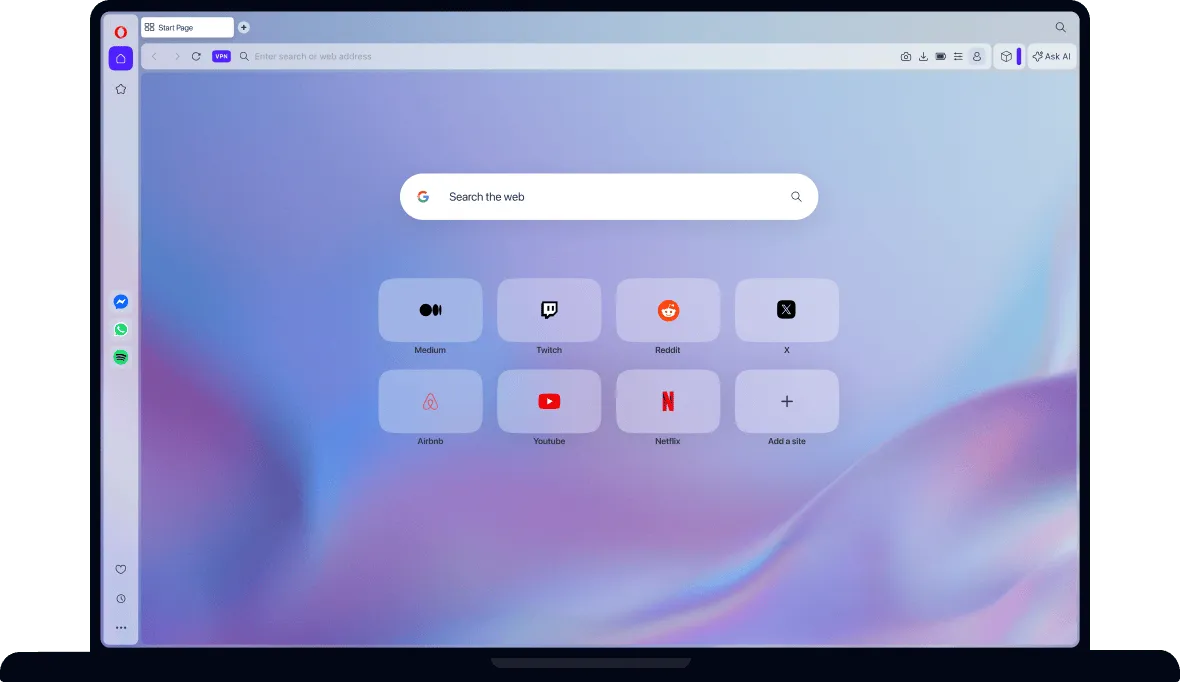
Opera keeps the download decision simple for everyday users because the official page already splits the browser by platform and labels each route as a safe download from opera.com. That matters if you want a mainstream browser quickly without hunting through software portals. The product also emphasizes built-in ad blocking, side-panel shortcuts, and a single vendor-controlled distribution path, so beginners can install it without choosing among many confusing editions.
That makes Opera easier to evaluate than software that hides its edition boundaries, product scope, or current release story. For a canonical downloads page, that clarity matters more than trying to force hands-on claims that were not tested on this machine.
Opera vs alternatives in 2026
The table below keeps the decision focused on direct substitutes rather than drifting into a generic alternatives roundup.
| Tool | What it does better | When to choose it |
|---|---|---|
| Opera | Fast mainstream browser with built-in ad blocker, sidebar tools, and official offline packages. | Best if you want a free browser with many built-in conveniences. |
| Brave Browser | Stronger privacy-first positioning and simpler trust story around blocking defaults. | Pick Brave if privacy features matter more than Opera’s extra UI tools. |
| Vivaldi | Extremely flexible interface and power-user customization. | Pick Vivaldi if deep customization matters more than Opera’s simpler defaults. |
| Firefox | Independent browser engine and extension ecosystem outside Chromium. | Pick Firefox if you want a non-Chromium path and broader open-web independence. |
Pricing and license reality
Opera is free to download from opera.com on the checked public pages. The download page and help docs promote the browser as a free desktop and mobile product, but the checked public pages did not frame the desktop browser itself as an open-source package in the same way that projects like KDE Connect or LocalSend do.
Freeware browser from Opera; not presented as an open-source desktop browser on the checked official pages.
Safe official download notes for Opera Review
For this review, Thaiware was used only to confirm that the product exists as the same entity Thai readers are likely to search for. The factual trust layer came from the vendor-controlled homepage, download page, docs/help source, and release trail. If you download Opera, prefer the official domain first and use the official release record to confirm that the version story still matches what the download page is promoting.
The safest path is the official Opera download page because it exposes the platform-specific download routes and offline package links directly on opera.com. Thaiware was useful to confirm the product entity, but it should not be treated as the source of truth for the current installer or release branch. For this update I did not see public checksum files on the page, so the strongest trust markers were the official domain, official help center, and the matching Opera Desktop changelog branch.
Opera Review pros and cons: fit notes
Pros
- people who want a free mainstream browser with Windows, macOS, Linux, Android, and iOS support from one vendor
- users who value built-in ad blocking, sidebar tools, and official offline package links
- readers who want a clear official download path instead of browsing mirror sites
Cons
- people who want a clearly open-source desktop browser first
- buyers who need enterprise support details or audited checksum publication on the public download page
- users who already prefer a privacy-first browser with simpler product positioning
Alternatives that may fit better
If you want a fast free browser with a straightforward official source trail, Opera remains a reasonable mainstream choice. If your first priority is open-source transparency or stricter privacy positioning, Brave, Firefox, or Vivaldi may make more sense. The core download recommendation is simple: use opera.com, confirm the current branch against the official Opera Desktop changelog, and ignore mirror downloads.
Related Hubkub reads: related pick one, related pick two, and related pick three.
Who should download Opera Review?
If you want a fast free browser with a straightforward official source trail, Opera remains a reasonable mainstream choice. If your first priority is open-source transparency or stricter privacy positioning, Brave, Firefox, or Vivaldi may make more sense. The core download recommendation is simple: use opera.com, confirm the current branch against the official Opera Desktop changelog, and ignore mirror downloads.
Opera Review download and safety questions
Is Opera safe to download in 2026?
Yes—if you download it from the official Opera domain. For this review I verified the official homepage, the official download page, the official help center, and the official Opera Desktop changelog. That gives you a cleaner trust path than relying on a third-party software mirror for the current installer.
Is Opera really free?
Yes. The checked public Opera pages present Opera as a free browser download for desktop and mobile platforms. I did not find a paid desktop browser tier on the checked download pages, so the practical buying decision is about whether Opera’s feature set fits you, not whether you must pay to install it.
Does Opera support Windows, macOS, and Linux?
Yes. The official download page exposed dedicated Opera download routes for Windows, macOS, and Linux during this review, and it also exposed Android and iOS routes. That broad official support range is one of Opera’s strongest practical advantages for everyday users who move across devices.
Does Opera publish public checksums on the download page?
Not on the checked public page for this update. Opera clearly labels the official domain and exposes safe download links from opera.com, but I did not see public checksum files on the page I reviewed. If you require checksum publication as a buying criterion, that is a point to weigh against more technical download projects.
Who should pick Opera over Brave or Firefox?
Opera makes the most sense if you want a fast mainstream browser with built-in ad blocking, sidebar tools, and a very simple official download flow. Brave is easier to recommend for privacy-first positioning, while Firefox is easier to recommend if you want a non-Chromium path and a different browser-engine strategy.
Reader-first software checklist
Before installing or switching to this software, use this quick checklist to confirm whether it fits your needs and risk tolerance.
- Official source: prefer the developer website, official documentation, or a clearly trusted distribution channel.
- Platform fit: check whether your Windows, macOS, Linux, Android, or iOS version is supported.
- License and cost: confirm whether the app is free, open source, freemium, trial-based, or paid.
- Privacy and permissions: review what files, folders, network access, account data, or browser permissions the app may use.
- Backup first: for recovery, storage, networking, privacy, or system utilities, back up important data before changing settings.
Safe download and setup notes
Hubkub does not recommend clicking misleading download buttons or installing unknown bundles. When possible, use the official source and avoid third-party installers that add toolbars, browser changes, or unrelated offers. After downloading, verify the file name, publisher, version, and installer prompts before continuing.
Pros, limits, and alternatives to consider
- Best fit: readers who need the core function described in this guide and prefer a practical setup path.
- Watch out for: outdated versions, unsupported platforms, unclear installers, or features that require paid upgrades.
- Compare alternatives: if this app feels too complex, too limited, or not maintained enough for your workflow, compare it with similar tools before installing.
Related Hubkub resources: Safe Software Downloads, Software Reviews, How We Review Software, and Content Quality Standards.
FAQ
Should I download this software from any mirror site?
Use the official developer website or a trusted distribution channel whenever possible. Mirror sites can be useful in limited cases, but they may also include outdated installers, misleading ads, or unwanted bundles.
What should I check before installing?
Check the publisher, version, license, supported operating system, installer prompts, and whether the app requests sensitive permissions.