Table of Contents
- The Photoshop Subscription Problem — and Why 2026 Is Different
- 8 Free Photoshop Alternatives at a Glance
- In-Depth Reviews: The Best Free Photoshop Alternatives
- Which Free Photoshop Alternative Is Right for You?
- Migration Tips: Moving From Photoshop Without the Pain
- Common Questions — Free Alternatives to Adobe Photoshop
- Conclusion — Skip the Subscription, Not the Quality
- How to choose between these options
- FAQ
Key Takeaways
- Affinity Photo 2 is now completely free after Canva’s acquisition — the closest Photoshop replacement for pros.
- GIMP 3.2 finally has a modern interface and non-destructive editing, making it viable for most retouching tasks.
- Photopea runs in the browser, opens PSD files natively, and needs zero install — ideal for occasional edits.
- Krita dominates digital painting; Darktable handles RAW workflows better than Lightroom for many photographers.
- For most users in 2026, a free alternative can replace Photoshop entirely — only heavy print and video workflows still need Adobe.
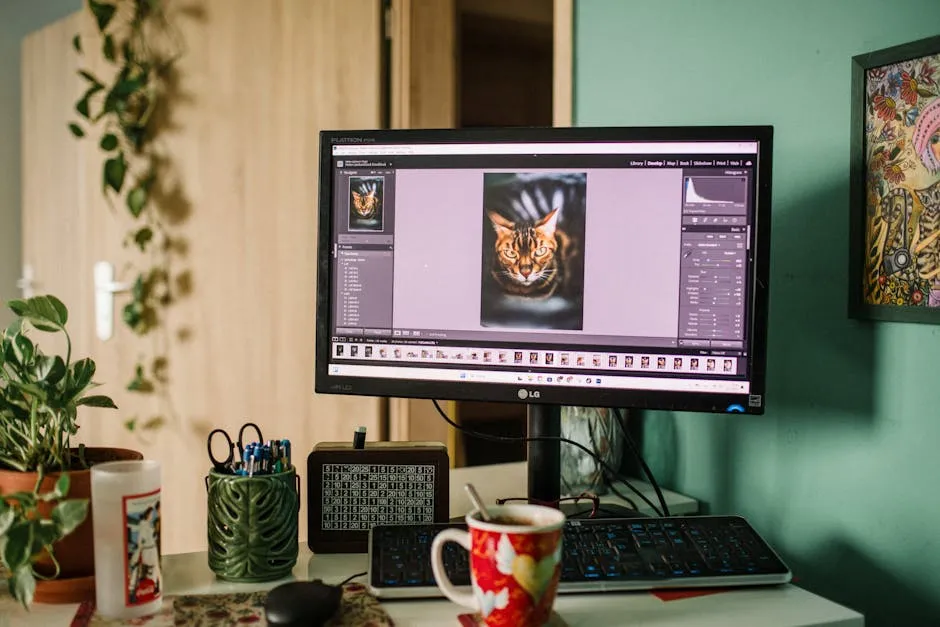
Adobe Photoshop now costs $20.99/month for the Photography plan — or up to $54.99/month if you want the full Creative Cloud suite. For hobbyist photographers, students, freelancers, and small business owners, that subscription feels increasingly hard to justify. Good news: in 2026, the free alternatives to Adobe Photoshop are better than ever. Affinity Photo 2 turned completely free after Canva’s acquisition of Serif. GIMP reached version 3.2 with a dramatically improved interface. Browser-based editors like Photopea now rival Photoshop’s core feature set without costing a cent. Whether you need to retouch portraits, design social media graphics, create digital art, or simply remove a background, there is a free Photoshop alternative built exactly for your workflow. In this guide, we tested eight tools and ranked them by use case so you can skip straight to the one that fits.
The Photoshop Subscription Problem — and Why 2026 Is Different
Adobe’s move to a cloud-only subscription model in 2013 was controversial, but users accepted it because no free alternative could match Photoshop’s depth. That calculus changed in 2024 when Canva acquired Serif — the company behind the Affinity suite — and announced that Affinity Photo 2, Affinity Designer, and Affinity Publisher would be permanently free. That was a seismic shift: Affinity Photo 2 is a professional-grade desktop image editor with non-destructive RAW editing, full PSD support, and layer effects that held its own against Photoshop at $70 before becoming free.
Meanwhile, GIMP 3.2 (released 2024) introduced a modern single-window interface, better color management, and improved Script-Fu scripting — addressing the most common complaints about the tool’s usability. Web-based editors have also matured: Photopea processes files entirely in your browser with no install and no account required, supporting PSD, AI, XCF, and RAW formats. The free tier in 2026 is legitimately capable. The only question is which tool fits your specific workflow. Browse more software comparisons on Hubkub to help you decide across other categories too.
8 Free Photoshop Alternatives at a Glance
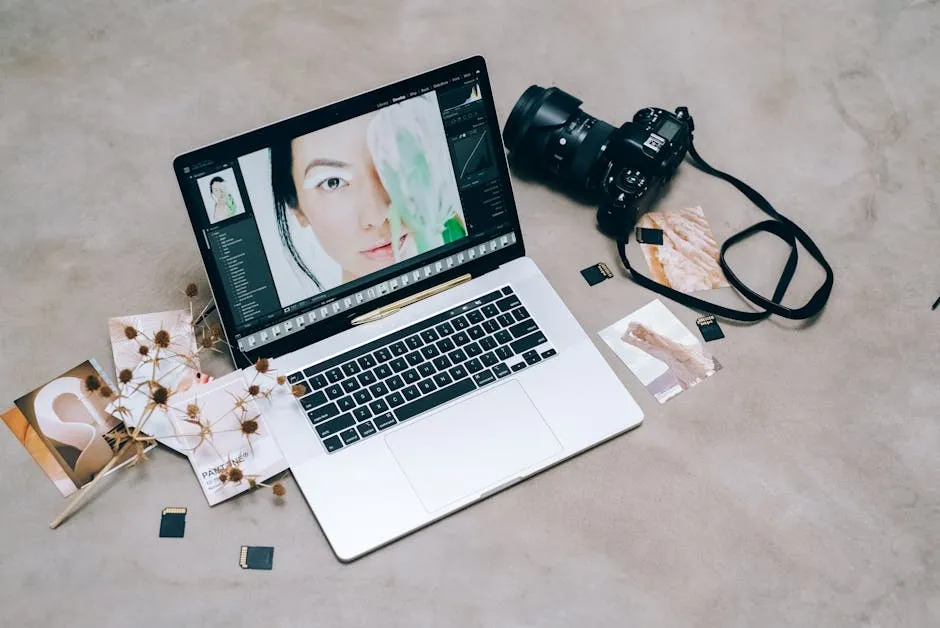
Here’s how the top free image editors compare across the criteria that matter most for former Photoshop users:
| Tool | Platform | PSD Support | AI Features | Best For | Offline |
|---|---|---|---|---|---|
| Photopea | Browser | ✅ Full | Background remove | Photoshop UI familiarity | ❌ |
| GIMP 3.2 | Win/Mac/Linux | ✅ Good | Script plugins | Advanced open-source editing | ✅ |
| Affinity Photo 2 | Win/Mac/iPad | ✅ Excellent | Subject selection | Professional-grade editing | ✅ |
| Krita | Win/Mac/Linux | ✅ Partial | SeExpr filters | Digital painting & illustration | ✅ |
| Paint.NET | Windows only | ✅ Via plugin | Limited | Lightweight everyday editing | ✅ |
| Pixlr E | Browser | ✅ Good | AI cutout, retouch | Quick edits with AI tools | ❌ |
| Canva (Free) | Browser/App | ❌ | Magic Remove, Resize | Social media & non-designers | ❌ |
| Darktable | Win/Mac/Linux | ❌ | Denoise AI | RAW photography workflow | ✅ |
For a broader look at free creative software, see our roundup of the best free software downloads for Windows and Mac.
In-Depth Reviews: The Best Free Photoshop Alternatives
1. Photopea — Best Browser-Based Photoshop Clone
Photopea is the free alternative most Photoshop users reach for first — and with good reason. Its interface is a near-perfect clone of Photoshop CC, with the same panel layout, keyboard shortcuts (Ctrl+J to duplicate, Ctrl+T to transform), and menu structure. It opens PSD, AI, XCF, Sketch, and RAW files directly in the browser with zero installation. Support extends to smart objects, adjustment layers, clipping masks, and non-destructive filters. The free version runs ads in the right sidebar; a $5/month premium plan removes them. For teams or individuals who switch between computers or operating systems, Photopea eliminates the compatibility headaches entirely. Its main limitation is performance on very large files (above 200 MB) and the requirement for a stable internet connection.
2. GIMP 3.2 — Best Advanced Open-Source Editor
GIMP has been the go-to free image editor since 1995, and version 3.2 finally addresses the interface criticisms that drove users away. The new release brings a polished single-window mode, improved HiDPI support, a fully reworked Script-Fu console with syntax highlighting, and better CMYK color handling via the CMYK plugin. Layer effects, healing tools, and the Unified Transform tool now behave more predictably. GIMP supports hundreds of file formats and has a massive plugin ecosystem. The learning curve is steeper than Photoshop’s — tools are in different locations, and the concept of “floating selections” confuses newcomers — but GIMP rewards the investment. For a detailed breakdown of GIMP’s capabilities for professional use, read our GIMP 3.2 review. Available on Windows, macOS, and Linux.
3. Affinity Photo 2 — Best Professional-Grade Free Editor
Affinity Photo 2 is the standout story of 2026’s free software landscape. Before Canva’s acquisition of Serif, it retailed for $69.99 — a one-time purchase that many professionals already preferred over Photoshop’s subscription. Now it’s permanently free for desktop and iPad. The feature set is extraordinary for a no-cost tool: full RAW editing via its Develop persona, non-destructive layer-based editing, real-time lens corrections, HDR merge, focus stacking, and a Liquify persona with mesh warp. PSD import/export is rock solid — better than GIMP’s. Performance is fast, even on large files. If you’re a photographer or graphic designer who wants desktop-class editing without spending anything, Affinity Photo 2 is the closest thing to a free Photoshop. The only trade-off is no Linux support and no browser version.
4. Krita — Best for Digital Painting and Illustration
Krita is purpose-built for digital artists rather than photo editors. It ships with over 100 professionally designed brush presets, advanced brush stabilizers for smooth line work, a wrap-around mode for smooth textures, and HDR painting support. Its animation timeline lets you create frame-by-frame 2D animations — something Photoshop charges extra for via the Timeline workspace. The interface is highly customizable with floating docker panels. PSD support is present but partial: Krita reads layer structure and most blending modes, but may misinterpret some Photoshop-specific effects. If your work involves concept art, character design, illustration, or texture creation, Krita outperforms every other free alternative. Free and open source, available on Windows, macOS, and Linux.
5. Paint.NET — Best Lightweight Windows Option
Paint.NET occupies the space between Windows Paint and a full image editor — and it does so brilliantly. It’s fast, stable, and has a gentle learning curve that makes it ideal for users who need to resize images, add text, do basic color correction, or combine photos occasionally. The plugin ecosystem is vast: BoltBait’s Plugin Pack adds over 60 effects; Paint.NET Effects plugins bring content-aware fill, liquify, and gradient mapping. PSD support comes via the PSD Plugin. The major limitation is platform lock-in — Paint.NET is Windows only, with no Mac or Linux version. For Windows users who find GIMP’s complexity unnecessary, Paint.NET is the right choice.
6. Pixlr E — Best Browser-Based Editor with AI Tools
Pixlr E is Photopea’s main competition in the browser-based category, and it wins on AI features. The AI Cutout tool removes backgrounds in one click with impressive accuracy. AI Replace lets you swap selected areas with generated content. The Retouch brush handles skin smoothing, blemish removal, and red-eye correction automatically. Pixlr E supports layers, masks, and blend modes — though its layer system is less reliable than Photopea’s. The free tier shows ads and limits some export formats; Pixlr Premium costs $7.99/month. For users who frequently need AI-powered background removal or quick retouching without installing software, Pixlr E is faster and more intuitive than most alternatives. If you’re interested in AI-generated images for creative projects, also see our guide to ChatGPT image generation.
7. Canva (Free Tier) — Best for Non-Designers
Canva is not a Photoshop replacement in the traditional sense — it doesn’t support layers in the same way, has no RAW editing, and works with templates rather than blank canvases. But for its target audience — marketers, small business owners, social media managers, and educators — it’s unbeatable. The free tier includes 250,000+ templates, 100 GB of cloud storage, a brand kit for one brand, and AI-powered Magic Remove for background removal. Canva’s drag-and-drop interface means anyone can produce professional-looking social media posts, presentations, or marketing materials in minutes. If your Photoshop use was mostly for creating Instagram graphics or YouTube thumbnails, Canva’s free tier handles all of that without a learning curve.
8. Darktable — Best Free RAW Editor for Photographers
Darktable is specifically built for photographers who shoot RAW and need a Lightroom-style non-destructive workflow rather than a layer-based compositing tool. It supports over 400 camera RAW formats, offers a parametric masking system, color science tools, and an AI-powered denoise module that rivals paid alternatives. Its darkroom editing is done via a module pipeline — similar to Lightroom’s Develop panel but more flexible. Darktable is completely free, open source, and available on Windows, macOS, and Linux. If you’re migrating away from Adobe’s photography subscription specifically, pairing Darktable for RAW processing with Affinity Photo 2 for compositing covers virtually everything Photoshop and Lightroom do together.
Which Free Photoshop Alternative Is Right for You?
The best tool depends on what you actually use Photoshop for. Here’s a quick decision guide:
- Photographer (RAW editing, retouching): Use Affinity Photo 2 for layered editing + Darktable for RAW workflow. Together they replace the $20.99/month Photography plan.
- Graphic designer (logos, layouts, print): Affinity Photo 2 or GIMP 3.2. Affinity is faster and more polished; GIMP has deeper customization via plugins and scripting.
- Digital illustrator / concept artist: Krita is the only logical choice — its brush engine and animation support are purpose-built for this workflow.
- Social media manager / marketer: Canva free tier saves you time with templates, or Pixlr E if you need layer control and AI tools.
- Occasional photo editor on Windows: Paint.NET for simple tasks, or Photopea if you occasionally need advanced features.
- Switch between devices / no installs: Photopea — it runs in any browser with the full Photoshop-like interface.
Migration Tips: Moving From Photoshop Without the Pain
Switching from Photoshop involves some keyboard shortcut remapping and workflow adjustment. Here are the key differences to prepare for:
- Photopea: Almost no adjustment needed — keyboard shortcuts match Photoshop exactly. Ctrl+J, Ctrl+T, Ctrl+Shift+Alt+S all work the same.
- GIMP: Enable “Use Photoshop Keyboard Shortcuts” in Edit → Input Devices for a closer match. Note that GIMP uses “Floating Selections” instead of layers when pasting — press Ctrl+Shift+N to anchor.
- Affinity Photo 2: Shortcuts differ but are consistent. Go to Edit → Preferences → Keyboard Shortcuts to customize. The “Personas” system (Photo, Liquify, Develop, Export) replaces Photoshop’s workspace modes.
- Krita: Designed for stylus input — configure your tablet’s tilt/pressure in Settings → Configure Krita → Tablet. Most drawing shortcuts (B for brush, E for eraser) are intuitive.
For expert benchmarks and testing methodology on free creative tools, TechRadar’s Photoshop alternatives roundup provides independent hardware-accelerated performance data across each editor. Also check our how-to guides for step-by-step tutorials on using these tools.
Common Questions — Free Alternatives to Adobe Photoshop
Q: Is Affinity Photo 2 really free now?
A: Yes — as of 2025, following Canva’s acquisition of Serif, Affinity Photo 2 is permanently free for Windows, macOS, and iPad. There is no subscription, no trial period, and no feature limitations. You download it directly from the Affinity website and use the full professional version at no cost.
Q: Which free Photoshop alternative has the best PSD compatibility?
A: Affinity Photo 2 has the best PSD import/export among free tools, preserving layer structure, smart objects, adjustment layers, and most blending modes. Photopea is a close second and handles PSD natively in the browser. GIMP 3.2 handles most PSD files but may struggle with complex layer comps and Photoshop-specific effects like certain layer styles.
Q: Can I use free Photoshop alternatives for commercial projects?
A: Yes. GIMP (GPL license), Krita (GPL), Darktable (GPL), and Affinity Photo 2 are all free for commercial use. Photopea and Pixlr E allow commercial use on their free tiers with no royalty requirements. Always review the specific terms of any template or asset you use within these tools, as asset licensing varies independently of the software license.
Q: What is the best free alternative to Photoshop for Mac?
A: Affinity Photo 2 is the top recommendation for Mac users — it’s native on Apple Silicon (M1/M2/M3 optimized), free, and offers a professional feature set. GIMP 3.2 is a strong second choice. Photopea works in Safari with no installation. Krita is excellent for Mac users who do digital painting. Paint.NET and Darktable are not available on Mac.
Conclusion — Skip the Subscription, Not the Quality
Adobe Photoshop remains the industry-standard image editor, but in 2026 it no longer has a monopoly on professional-quality features. The free alternatives have genuinely closed the gap. Three key takeaways:
- Affinity Photo 2 is the default recommendation for anyone who needs professional-grade desktop editing — it’s free, powerful, and has excellent PSD compatibility.
- Photopea is the no-install winner — if you want Photoshop’s interface in a browser without downloading anything, it’s the best option available.
- Match the tool to your actual workflow — Krita for illustration, Canva for social media, Darktable for RAW photography. A specialized free tool beats a generalist paid one every time.
For more free software picks across productivity, creativity, and design, browse our reviews section where we test and rank tools so you don’t have to.
Last Updated: April 13, 2026
How to choose between these options
Use this decision checklist if you are comparing tools for real work rather than only reading feature lists.
- Primary task: choose the tool that solves your most frequent task with the least friction.
- Setup complexity: consider whether you need local installation, accounts, drivers, network access, or mobile permissions.
- Reliability: test the tool with your actual device, network, file type, or workflow before committing.
- Privacy and safety: review what data is transmitted, stored, mirrored, or synced.
- Fallback: keep an alternative ready if the tool depends on a network, cloud account, or platform-specific feature.
Related Hubkub resources: Content Quality Standards, Software Reviews, and Safe Software Downloads.
FAQ
How should I use this guide?
Use it as a practical starting point, then verify details against your own device, account, software version, or official documentation.
What if the information becomes outdated?
Technology changes quickly. If you notice outdated steps or broken links, use Hubkub’s contact or corrections policy pages so the article can be reviewed.