Table of Contents
Key takeaways
- GIMP is the safest choice here if you want a free, open-source image editor from the official GIMP project.
- The official download page is the best place to avoid repackaged installers or outdated mirror links.
- For business use, check plugin needs, file-format workflows, and staff training time before replacing Photoshop.
What I verified for this review
Checked against official source pages on April 25, 2026.
- Official GIMP download page for current desktop builds and platform choices.
- Official GIMP documentation for editor features, workflows, and setup guidance.
- Official GIMP news page for project and release context.
Official download URL: https://www.gimp.org/downloads/
Official resources
Use the official GIMP download page first, then keep the documentation open if your workflow depends on layers, plug-ins, or format-specific exports.
| Developer | GNU Project (volunteer community) |
| License | Open Source (GNU GPL v3) |
| Platform | Windows 10+, macOS 11+, Linux |
| Official Site | gimp.org |
Professional image editing software typically costs hundreds of dollars per year — but GIMP, the GNU Image Manipulation Program, delivers a full professional-grade editing suite for free. The latest release, GIMP 3.2.0 (launched March 14, 2026), introduces a major leap forward with non-destructive editing layers, an overhauled text engine, and expanded file format support. Whether you’re designing marketing materials, retouching product photos, or creating digital artwork, GIMP is the free Photoshop alternative that businesses and creatives worldwide rely on every day.
What Is GIMP?
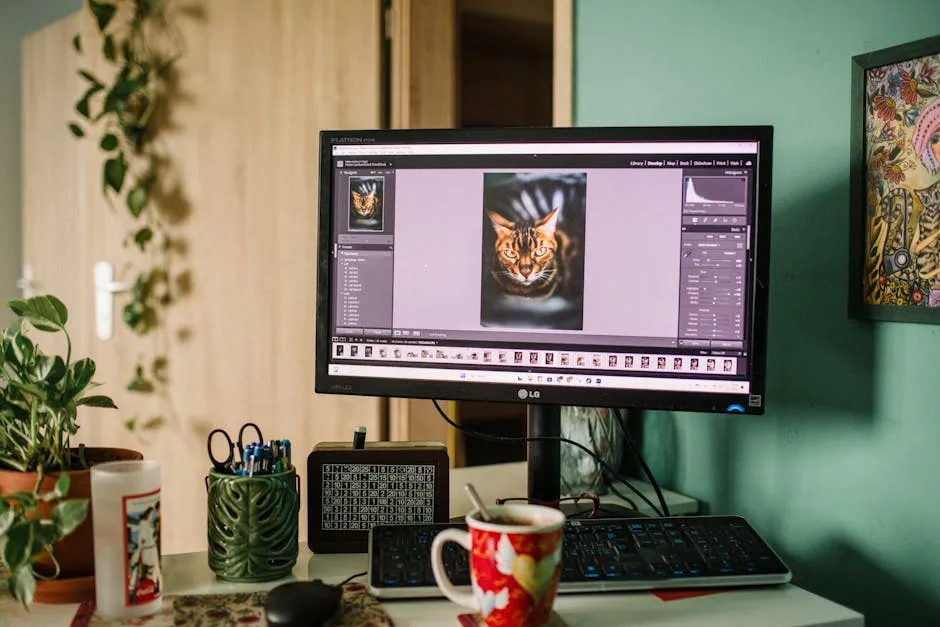
GIMP is a free, open-source raster graphics editor first released in 1996 and continuously developed by a global volunteer community under the GNU Project. It is available for Windows 10 version 1903 or newer, macOS 11 Big Sur or newer, and Linux (via AppImage, Flatpak, Snap, or distribution package managers). GIMP supports a vast array of professional-grade image manipulation tools including layers, masks, filters, color correction, and scripting — features typically found only in expensive commercial software.
GIMP 3.2.0 marks a significant milestone in the software’s history by introducing non-destructive editing capabilities, a feature that professional photo editors have long requested. The update also adds new brush tools, expanded format support (including APNG, JPEG 2000 export, and Photoshop filter presets), and deep improvements to macOS integration. As a fully open-source project, GIMP is free to download, use, modify, and redistribute with no licensing fees ever.
Key Features of GIMP 3.2.0
- Non-Destructive Layers — New Link Layers (similar to Photoshop linked smart objects) and Vector Layers allow edits that update automatically without permanently altering the original image data.
- Advanced Layer and Mask System — Work with unlimited layers, layer groups, and layer masks for complex composite editing and photo manipulation.
- Comprehensive Selection Tools — Includes Fuzzy Select, Select by Color, Scissors tool, Free Select, Intelligent Scissors, and Foreground Select for precise object isolation.
- Powerful Filters and Effects — Hundreds of built-in filters including blur, sharpen, distort, light and shadow effects, and a non-destructive Vibrance filter for selective saturation control (new in 3.2).
- On-Canvas Text Editor — Enhanced text tool with drag-to-reposition, Ctrl+B/I keyboard shortcuts for bold/italic, real-time color previews, and multiple outline direction options.
- MyPaint Brush Engine (v2 API) — 20 new brushes including an arrow brush, zoom/rotation-aware rendering, and improved pen pressure control via a new Gain slider.
- Overwrite Paint Mode — Replaces color values without blending alpha — ideal for pixel art and precise digital painting.
- Extensive Format Support — Opens and saves PSD, PNG, JPEG, TIFF, WebP, APNG, BMP, GIF, SVG, raw camera formats, and now JPEG 2000 export and Photoshop filter presets (.acf).
- Script-Fu and Python Scripting — Automate repetitive editing tasks or build custom plug-ins using built-in Script-Fu (Scheme) or Python-Fu.
- Color Management — Full ICC color profile support for accurate print and screen color reproduction.
How to Download and Install GIMP
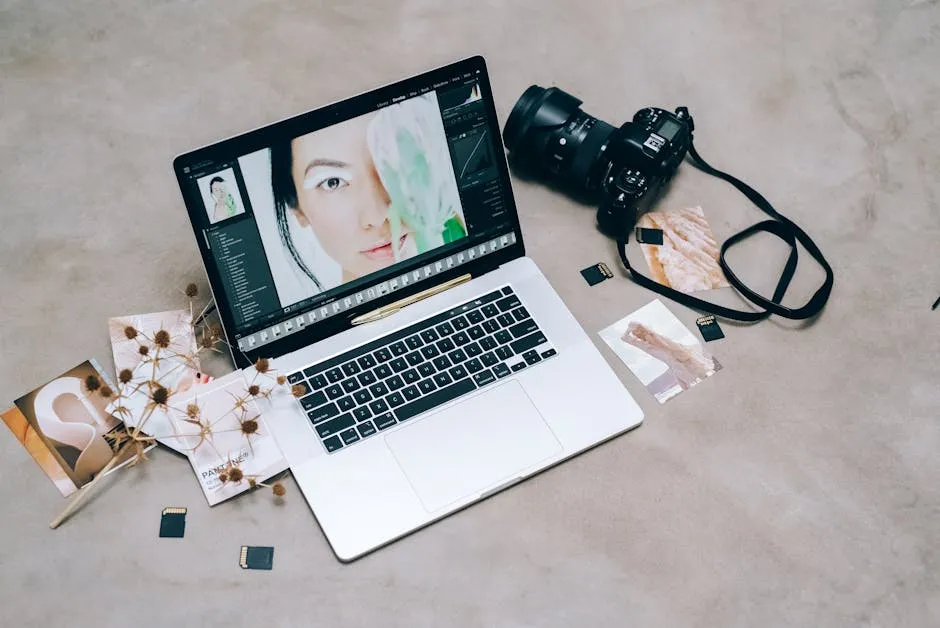
Downloading and installing GIMP is simple. Follow these steps for your operating system.
- Visit the official GIMP download page at gimp.org/downloads. Always download from this official source — the GIMP team warns that third-party app store versions (including the Mac App Store) are not affiliated with the project.
- On Windows: Click the Windows download link to get the GIMP 3.2.0 installer (.exe). Run the installer and follow the setup wizard. Choose your preferred installation language and optional components such as the on-disk help documentation.
- On macOS: Download the .dmg file for macOS 11 or newer. Open the .dmg, drag GIMP to your Applications folder, then open it. If macOS shows a security warning, go to System Settings → Privacy & Security and click Open Anyway.
- On Linux: The recommended method is the AppImage download — it works on any Linux distribution without root access. Download the AppImage file, make it executable (
chmod +x GIMP*.AppImage), and run it directly. Alternatively, install via Flatpak (flatpak install flathub org.gimp.GIMP), Snap (sudo snap install gimp), or your distro’s package manager. - After installation, launch GIMP from your applications menu or desktop shortcut. On first run, GIMP performs an initial setup that takes about 30 seconds.
- To open an image, go to File → Open and browse to your image file. For a blank canvas, choose File → New and set your desired dimensions and resolution.
- Optionally, download the GIMP User Manual from the same downloads page for comprehensive offline reference documentation.
GIMP vs Alternatives
GIMP competes in a market that includes both free and premium image editors. Here is how it compares to the most relevant alternatives.
GIMP vs Adobe Photoshop: Photoshop is the industry standard for professional photo editing and digital art, but it requires an Adobe Creative Cloud subscription starting at around $22/month. GIMP 3.2’s non-destructive layers and advanced filter system close the gap significantly. For businesses that need professional image editing without the ongoing subscription cost, GIMP is the most capable free alternative available.
GIMP vs Photopea: Photopea is a free, browser-based image editor with a Photoshop-like interface. It is excellent for quick online edits and requires no installation, but it cannot match GIMP’s depth of scripting, brush engine, and offline capability. GIMP is better for complex projects requiring advanced automation or offline access.
GIMP vs Krita: Krita is another excellent free image editor, but it is optimized primarily for digital painting and illustration. GIMP is the stronger choice for photo editing, web graphics, and general image manipulation. Many creative professionals use both tools — Krita for painting and GIMP for photo work.
Pros and Cons
✅ Pros
- Completely free and open source — no subscription or licensing fees ever
- Cross-platform: Windows, macOS, and Linux all supported
- GIMP 3.2 adds non-destructive editing, closing the gap with Photoshop
❌ Cons
- Steeper learning curve compared to simpler tools like Canva or Photopea
- Interface differs significantly from Adobe Photoshop — transition takes time
- Some advanced Photoshop features (adjustment layers) are still not fully replicated
Common Questions About GIMP
Can GIMP open and edit Adobe Photoshop PSD files?
Yes. GIMP can open PSD files, preserving layers, layer masks, and most standard Photoshop layer styles. Advanced PSD features such as adjustment layers and certain blending modes may be flattened or approximated on import. For exporting back to PSD, GIMP can save files in PSD format that Photoshop can reopen.
Is GIMP suitable for professional business use?
Yes. GIMP is used professionally by graphic designers, web developers, photographers, and marketing teams worldwide. It handles tasks such as product photo retouching, social media graphics creation, web banner design, logo editing, and print layout preparation. The GIMP 3.2 non-destructive editing update makes it significantly more practical for professional workflows that require iterative, reversible edits.
Does GIMP support raw camera files?
Yes, with a plug-in. The darktable-gimp or RawTherapee integration (via the GIMP Raw plug-in) allows GIMP to open raw camera files from Canon, Nikon, Sony, Fujifilm, and other major manufacturers. Some Linux distributions pre-install these plug-ins; on Windows and macOS, you may need to install darktable or RawTherapee separately and configure the plug-in connection.
How does the GIMP interface compare to Photoshop?
GIMP’s interface is different from Photoshop’s but highly customizable. By default, GIMP uses a single-window mode with a toolbox on the left, canvas in the center, and tool options and layer panels on the right. Many Photoshop users find the transition straightforward after a few hours of practice. Community-made presets and layouts can make GIMP’s workspace look closer to Photoshop’s if desired.
Conclusion
GIMP 3.2.0 is the most powerful free image editing software available in 2026. The introduction of non-destructive layers, a revamped text engine, expanded format support, and a new MyPaint brush API make this release a genuine leap forward — bringing GIMP closer than ever to what commercial tools like Photoshop offer at a fraction of the cost (which is zero). Whether you’re editing product images for an online store, designing social media graphics, or creating digital art, GIMP has the tools to get the job done professionally. Download GIMP 3.2.0 from the official site at gimp.org and see why it has been the world’s favourite free image editor for over 25 years. For more professional software reviews and free download guides, explore our Reviews section at HubKub. Discover more powerful free creative and design tools in our free software downloads section.
See also: Best Free Software Downloads: The Complete Collection for 2026 — browse all Downloads articles on Hubkub.
Related Articles
- Greenshot Review: The Best Free Screenshot Tool for Windows
- Parsec Review: Free Remote Gaming and Game Streaming App
- Rainmeter Review: The Best Free Desktop Customization Tool for Windows
Last Updated: April 13, 2026
Software review and safety note
Hubkub reviews software pages with a safety-first checklist: we check the product purpose, supported platforms, license or pricing signals, common user risks, official documentation or vendor pages where available, and whether the download path could confuse readers. For safety, prefer the developer’s official website or a clearly trusted source, avoid installer bundles you do not recognize, and scan downloaded files with your device security tools before installing.
Learn more about our standards in Editorial Policy, Content Quality Standards, and Corrections Policy.
Related Hubkub resources
Reader-first software checklist
Before installing or switching to this software, use this quick checklist to confirm whether it fits your needs and risk tolerance.
- Official source: prefer the developer website, official documentation, or a clearly trusted distribution channel.
- Platform fit: check whether your Windows, macOS, Linux, Android, or iOS version is supported.
- License and cost: confirm whether the app is free, open source, freemium, trial-based, or paid.
- Privacy and permissions: review what files, folders, network access, account data, or browser permissions the app may use.
- Backup first: for recovery, storage, networking, privacy, or system utilities, back up important data before changing settings.
Safe download and setup notes
Hubkub does not recommend clicking misleading download buttons or installing unknown bundles. When possible, use the official source and avoid third-party installers that add toolbars, browser changes, or unrelated offers. After downloading, verify the file name, publisher, version, and installer prompts before continuing.
Pros, limits, and alternatives to consider
- Best fit: readers who need the core function described in this guide and prefer a practical setup path.
- Watch out for: outdated versions, unsupported platforms, unclear installers, or features that require paid upgrades.
- Compare alternatives: if this app feels too complex, too limited, or not maintained enough for your workflow, compare it with similar tools before installing.
Related Hubkub resources: Safe Software Downloads, Software Reviews, How We Review Software, and Content Quality Standards.
FAQ
Should I download this software from any mirror site?
Use the official developer website or a trusted distribution channel whenever possible. Mirror sites can be useful in limited cases, but they may also include outdated installers, misleading ads, or unwanted bundles.
What should I check before installing?
Check the publisher, version, license, supported operating system, installer prompts, and whether the app requests sensitive permissions.