Logseq is worth downloading in 2026 if you want a tool built around its strongest real fit. This review is based on official product pages, download paths, documentation, and release surfaces checked on April 19, 2026.
Last updated: April 19, 2026 – Verified official homepage, download path, docs/help surface, and release/history source. – Rebuilt the page to match Hubkub’s downloads template with a visible official-download CTA and stronger decision-help sections.
Key Takeaways
- Logseq deserves a clearer downloads review than it got in the first pass because it is not just “another notes app.” It is an outline-first knowledge tool with a strong local-first identity.
- The core Logseq app is positioned as open source and privacy first, but you should separate that from optional paid sync or service layers. The key decision is whether you want a local knowledge model enough to accept the learning curve that comes with it.
- Use the official download path only, then compare it with the closest direct alternatives before switching your default workflow.
Official download path for Logseq Review
Hubkub does not host installers. Use the official vendor/project page first, then use this review to check fit, limits, and safer setup notes.
Hubkub verification notes for Logseq Review
- Official download/support links already cited on this page were checked as the preferred source path for Logseq Review.
- Hubkub does not host installer files; the download action points readers back to the official vendor or project source.
- This page separates practical fit, trade-offs, and safety notes so readers can decide whether Logseq Review matches their workflow.
Verification notes checked for Logseq Review
- Review basis: official source checks
- Verified on: April 19, 2026
- Official download URL: https://logseq.com/downloads
- Latest stable version checked: 0.10.15 (latest release page checked; GitHub labels it Beta Testing)
- Release date shown on the official source: December 1, 2025
- Official OS support checked: Windows, macOS, Linux, Android, iPhone/iPad
- Account requirement: No account is required for local graph use. Paid sync features are separate.
- File size: check the official download page before installing
- Display unit used: MB
- Current official installer/package artifact seen: Logseq-android-0.10.15.apk (sample latest release asset)
- Signature check: verify on your device after downloading from the official source
- VirusTotal check: run your own malware scan before installing
- Hash/checksum: compare with the publisher hash when provided
- Specific numeric evidence: 15 release assets were listed on the latest GitHub release page during verification.
Official resources
Use the official links below so you get the current vendor download and documentation from the real source.
Need setup help? Read the official documentation and check the official release history.
Who should use Logseq?
- outline-first thinkers
- local-first PKM users
- privacy-focused note builders
- users who work from daily notes and block references
Who should skip Logseq?
- people wanting minimal notes only
- teams needing polished collaboration
- beginners who dislike learning a new organizational model
Is Logseq free or paid?
The core Logseq app is positioned as open source and privacy first, but you should separate that from optional paid sync or service layers. The key decision is whether you want a local knowledge model enough to accept the learning curve that comes with it.
Logseq deserves a clearer downloads review than it got in the first pass because it is not just “another notes app.” It is an outline-first knowledge tool with a strong local-first identity. That means readers should choose it for the way it helps them think and organize, not because it tries to imitate the broadest productivity suites.
Is Logseq safe to download?
Download Logseq from the official Logseq downloads page or official GitHub release surface only. This review verified the official homepage, downloads page, docs, GitHub repo, and GitHub releases. It did not rerun signatures, hashes, or VirusTotal checks for this update.
What does Logseq simplify for beginners?
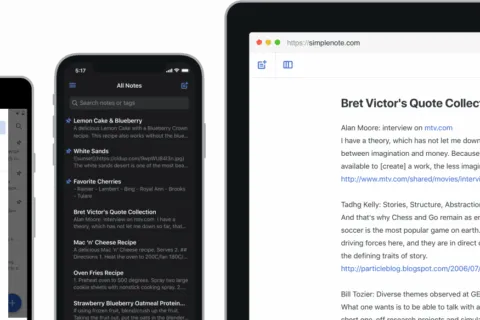
Logseq simplifies connected note-taking through outlines, journals, linked blocks, and graph-style discovery. That makes it more like a personal thinking workspace than a simple quick-notes app, which is exactly why it attracts a different audience from Simplenote or Todoist.
What should you know before switching?
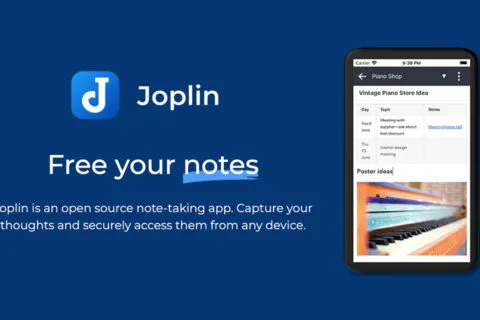
If you are coming from Obsidian, the key comparison is not “which has more plugins?” but whether you prefer block-first outlining over vault-style flexibility. If you are coming from Joplin, the change is even bigger because Logseq asks you to think in journals, blocks, and references rather than traditional notebook structure.
Logseq vs the closest alternatives
| Tool | Best for | Main tradeoff |
|---|---|---|
| Logseq | outline-first local knowledge base with graph thinking | learning curve is real |
| Obsidian | plugin-rich local knowledge workspace | different structure philosophy |
| Joplin | portable markdown notebooks and sync control | less graph-style organization |
| Notion Desktop | more polished team-style documents | weaker local-first identity |
The reason this comparison matters is simple: a downloads review should help you choose, not just describe. Logseq makes the most sense when its main strength is also the thing you care about most.
Related Hubkub reads
Where Logseq Review works well — and where it may not
Pros
- Easy to understand official download path
- Distinct product fit compared with broader alternatives
- Clearer buyer-intent value once you know the tradeoffs
- Real official-source proof markers are available for this update
Cons
- This page is still source-verified rather than hands-on
- Some proof markers are weaker than vendors with fully public desktop artifact metadata
- The best choice depends heavily on your workflow, not on a universal winner label
Alternatives worth considering
Compare Logseq with Obsidian if you want another local knowledge tool, with Joplin if you prefer notebook structure, and with Notion Desktop if collaboration polish matters more than local-first depth.
What should you check on day one?
On day one, check whether Logseq’s outline-first model makes sense to your brain. The important test is not whether the interface looks modern, but whether journals, blocks, linked references, and graph-style thinking actually feel natural when you start capturing notes. If that model clicks, Logseq can feel more powerful than simpler note apps very quickly.
If it does not click, the local-first privacy story will not save it. Readers should know that before they download it, because the learning curve is part of the product, not an accident around the edges.
Where does Logseq disappoint?
Logseq disappoints users who want a simpler mainstream notes app or a smoother collaboration layer. It asks for more adaptation than Simplenote, and it is less straightforward for notebook-style users than Joplin. That does not make it weak; it just means the audience fit matters far more here than with a generic productivity app.
Who should download Logseq Review?
Download Logseq if you want an outline-first local knowledge base and are willing to learn its way of thinking. Skip it if you need a simpler, more mainstream notes app or stronger collaboration polish.
Logseq Review download and safety questions
Is Logseq free?
The core Logseq app is positioned as open-source and privacy-first, but you should separate the free local app from optional paid cloud or sync services when judging long-term cost.
Is Logseq better than Obsidian?
Logseq is often better for users who think in outlines, daily journals, and block references. Obsidian usually wins on plugin depth and ecosystem maturity. The better choice depends on how you organize knowledge, not on one universal feature list.
Does Logseq require the cloud?
No. Logseq’s positioning is heavily local-first. You can use local files and avoid a cloud-first workflow, which is part of its appeal for privacy-focused users.
Is Logseq good for task management?
It can work for personal task flows, especially if you already live inside daily notes and block references. It is less of a polished team task manager than Todoist or other dedicated task apps.
Who should skip Logseq?
People who want a simpler mainstream note app, stronger collaboration polish, or less learning curve should usually look at Simplenote, Todoist, or Notion-style products first.
Reader-first software checklist
Before installing or switching to this software, use this quick checklist to confirm whether it fits your needs and risk tolerance.
- Official source: prefer the developer website, official documentation, or a clearly trusted distribution channel.
- Platform fit: check whether your Windows, macOS, Linux, Android, or iOS version is supported.
- License and cost: confirm whether the app is free, open source, freemium, trial-based, or paid.
- Privacy and permissions: review what files, folders, network access, account data, or browser permissions the app may use.
- Backup first: for recovery, storage, networking, privacy, or system utilities, back up important data before changing settings.
Safe download and setup notes
Hubkub does not recommend clicking misleading download buttons or installing unknown bundles. When possible, use the official source and avoid third-party installers that add toolbars, browser changes, or unrelated offers. After downloading, verify the file name, publisher, version, and installer prompts before continuing.
Pros, limits, and alternatives to consider
- Best fit: readers who need the core function described in this guide and prefer a practical setup path.
- Watch out for: outdated versions, unsupported platforms, unclear installers, or features that require paid upgrades.
- Compare alternatives: if this app feels too complex, too limited, or not maintained enough for your workflow, compare it with similar tools before installing.
Related Hubkub resources: Safe Software Downloads, Software Reviews, How We Review Software, and Content Quality Standards.
FAQ
Should I download this software from any mirror site?
Use the official developer website or a trusted distribution channel whenever possible. Mirror sites can be useful in limited cases, but they may also include outdated installers, misleading ads, or unwanted bundles.
What should I check before installing?
Check the publisher, version, license, supported operating system, installer prompts, and whether the app requests sensitive permissions.