Table of Contents
Key takeaways
- Follow the main steps in Kubernetes in 2026: AI Workloads, GPUs, and Edge Computing in order; skipping prerequisites is the most common source of errors.
- Prioritize official packages, backups, and rollback paths when the guide touches servers, security, or production tools.
- Use the Next Read links at the end to continue with related setup, performance, or protection tasks.
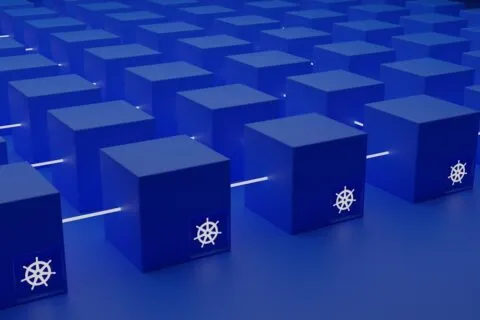
Eighty-two percent of organizations now run Kubernetes in production — and a majority are using it to power AI. That figure, from the CNCF Annual Cloud Native Survey, marks a structural shift. Kubernetes was built for stateless microservices. Today it is being stretched to run GPU-intensive training jobs, real-time edge inference, and multi-cloud AI pipelines spanning dozens of clusters. Kubernetes 2026 trends now touch every layer of the stack, from how GPUs are allocated to how platform teams are organized.
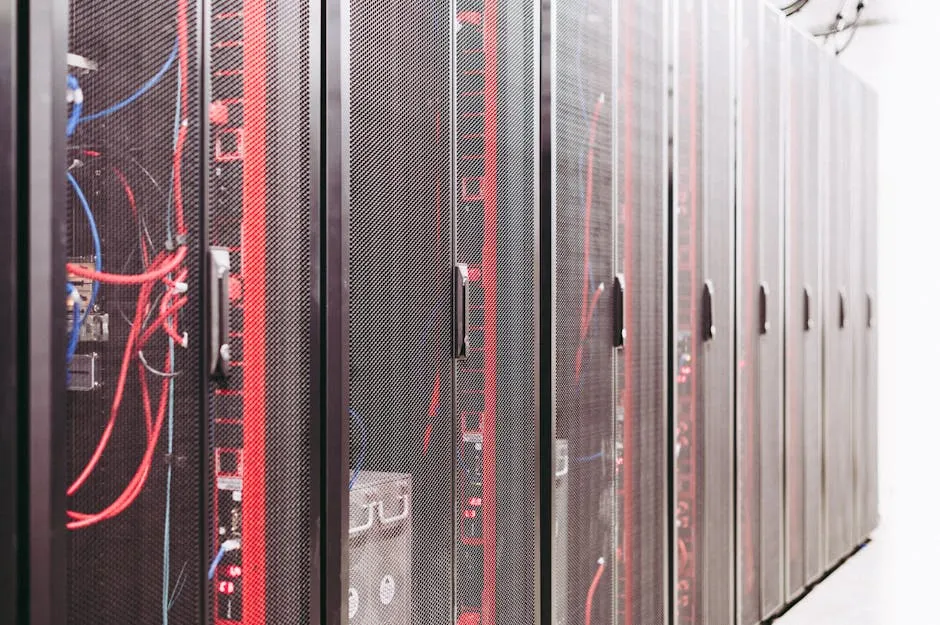
The operational pressure is real. GPU under-utilization sits at 30 to 40 percent in many production clusters. Developer platforms are fragmented. The gap between running Kubernetes and running it efficiently has never been wider.
This article breaks down four consequential changes shaping Kubernetes in 2026 — the AI workload surge, the GPU scheduling breakthrough, the edge deployment wave, and what each means for DevOps and platform engineering teams.
How AI Workloads Are Transforming Kubernetes in 2026
For most of Kubernetes’ history, the dominant use case was stateless web services — containerized APIs, batch jobs, and microservices. That is no longer the full picture. According to the CNCF Annual Cloud Native Survey, 58% of organizations are now running AI workloads on Kubernetes, and production usage has reached 82%, making it the de facto compute substrate for cloud-native enterprises.
AI pipelines differ fundamentally from stateless web services. They need persistent, recoverable storage for feature stores, model checkpoints, and vector search indexes. They require fine-grained resource scheduling for heterogeneous hardware alongside traditional CPU workloads. And they must stay consistent across clusters in multiple regions without manual intervention.
Platform Engineering Is Now a Competitive Requirement
Gartner predicts that by end of 2026, 80% of large engineering organizations will have dedicated platform teams. Platform engineering adoption hit 55% among enterprises in 2025, driven directly by AI complexity.
When every product team manages its own Kubernetes configuration, the result is sprawl: inconsistent security policies, unpredictable costs, and no standardized way to onboard AI tooling. Internal Developer Platforms (IDPs) solve this by abstracting Kubernetes behind self-service interfaces. Developers deploy AI services without writing YAML manifests. Platform teams manage underlying infrastructure centrally, applying consistent policy across all clusters.
Dynamic Resource Allocation Is Solving the GPU Scheduling Problem
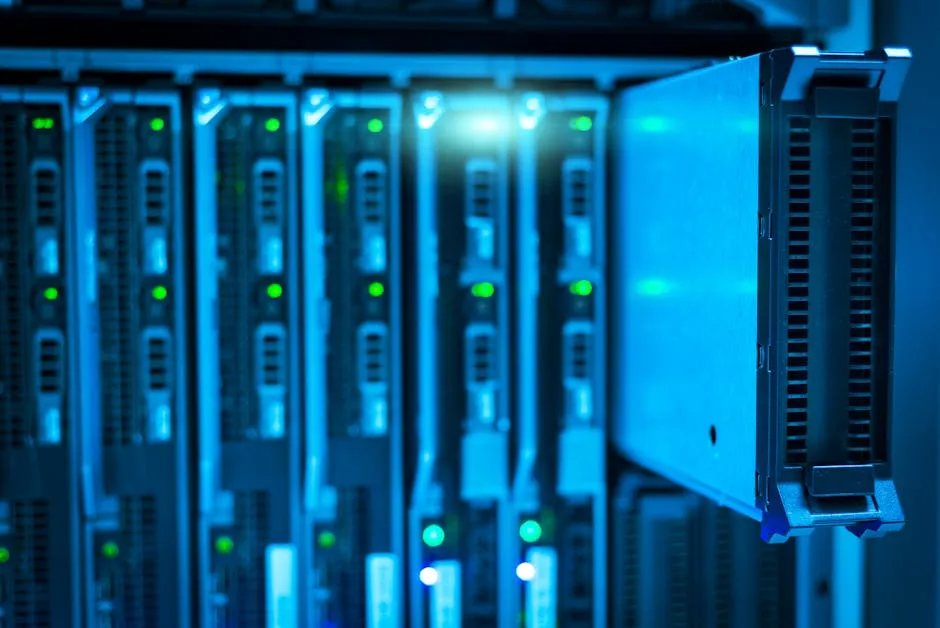
GPUs are expensive. Traditional Kubernetes device plugins treat them as opaque integer resources — a workload either gets an entire GPU or none at all. This binary model produces 30 to 40 percent GPU under-utilization in production clusters, as workloads receive exclusive access even when they only need a fraction of the hardware.
Dynamic Resource Allocation (DRA), which graduated to general availability at KubeCon Europe 2026, changes this fundamentally. DRA gives the scheduler full visibility into hardware characteristics through structured, declarative parameters. Fractional allocation, resource pooling, and topology-aware placement are now native Kubernetes capabilities.
For DevOps engineers and platform teams managing AI infrastructure, DRA is the most operationally significant release in recent Kubernetes history. At KubeCon Europe 2026, NVIDIA donated its DRA Driver for GPUs to the CNCF, moving governance to the open-source community. The KAI Scheduler — NVIDIA’s AI-aware scheduling project — was simultaneously accepted as a CNCF Sandbox project.
Key DRA capabilities available for production use in 2026:
- Fractional GPU allocation — workloads claim partial GPU memory, not full devices
- Resource pooling — multiple workloads share hardware without scheduling conflicts
- Topology-aware placement — GPUs assigned based on NVLink bandwidth and proximity
- Device taints — enforce hardware access policies across namespaces
- Partitionable devices — split GPUs logically for multi-tenant AI clusters
Edge Deployments and GitOps Are Reshaping Kubernetes Architecture
AI inference cannot always wait for a round-trip to a central cloud. In manufacturing, healthcare, logistics, and retail, decisions must happen at the speed of physical processes. That constraint is pulling Kubernetes toward the edge, where 74.3% of organizations now rank AI/ML as a top infrastructure spending priority.
Lightweight Kubernetes distributions — K3s and MicroK8s being the most common — are deployed at sites with constrained resources and intermittent connectivity. These edge clusters run local inference while staying synchronized with central policy systems. The result is a new architecture pattern: not one large cluster per region, but hundreds of clusters spanning clouds, data centers, and edge nodes.
GitOps is the only scalable management model for this kind of fleet. Teams push configuration changes to a Git repository, and controllers like Flux or ArgoCD synchronize those changes to every cluster — whether it runs in a cloud availability zone or a factory in Southeast Asia. For teams building this infrastructure, the CNCF’s 2026 Kubernetes resource guide covers multi-cluster management patterns and DRA adoption strategies in depth.
Common Questions — Kubernetes 2026 Trends
Q: What is Dynamic Resource Allocation (DRA) in Kubernetes?
A: DRA is a Kubernetes mechanism for flexible, structured allocation of specialized hardware like GPUs. Unlike older device plugins that assigned whole GPUs to individual workloads, DRA enables fractional access, resource pooling, and hardware-aware scheduling. It graduated to general availability at KubeCon Europe 2026, with NVIDIA donating its GPU driver to the CNCF at the same event.
Q: Why are organizations running AI workloads on Kubernetes?
A: Kubernetes has become the default platform for AI because it manages the stateful infrastructure that AI pipelines require — feature stores, model registries, vector databases, and training checkpoints. The CNCF Annual Survey found 58% of organizations already run AI on Kubernetes, and its Operator pattern makes it well-suited for complex, stateful AI systems.
Q: What is platform engineering and why does it matter in 2026?
A: Platform engineering involves building Internal Developer Platforms on top of Kubernetes so developers can deploy services without managing raw infrastructure. Gartner predicts 80% of large engineering organizations will have dedicated platform teams by end of 2026. It is driven by AI complexity, multi-cluster sprawl, and the need for consistent security governance across environments.
Q: How does Kubernetes handle edge deployments in 2026?
A: Lightweight distributions like K3s and MicroK8s allow Kubernetes to run on edge hardware with limited resources and intermittent connectivity. Platform teams manage these fleets centrally using GitOps tools like Flux or ArgoCD, which sync cluster state from a central Git repository. This approach scales to hundreds of edge sites while maintaining consistent policy and observability.
Conclusion
Kubernetes in 2026 has crossed a threshold: it is now the operational foundation for AI infrastructure, not just cloud-native web services. Three takeaways for platform engineers: adopt DRA now for any GPU workload to cut under-utilization by up to 40%; invest in an Internal Developer Platform as AI complexity scales; and treat GitOps as the operational baseline for any multi-cluster fleet.
The organizations that treat these as optional improvements will fall behind those that treat them as infrastructure strategy. For more on how AI is reshaping tech infrastructure decisions, explore our AI coverage.
See also: DevOps and IT Operations: Complete Guide for Developers in 2026 — browse all Dev / IT Ops articles on Hubkub.
Related Articles
- Docker Kanvas: Compose Files to Kubernetes Without YAML
- DevOps and IT Operations: Complete Guide for Developers in 2026
- How to Install Nginx, PHP, and MariaDB on Ubuntu for WordPress
Last Updated: April 13, 2026
AI tool evaluation checklist
AI product claims can change quickly. Before relying on this tool or model in a real workflow, compare the current official documentation, pricing, data policy, and limits with your use case.
- Use case fit: define whether you need writing, coding, research, automation, image/video work, or enterprise controls.
- Data risk: avoid pasting confidential customer data, credentials, private source code, or regulated records unless your plan and policy allow it.
- Verification: fact-check important outputs against official sources or direct testing.
- Cost and limits: review message caps, context limits, file support, API pricing, and team controls before adopting it widely.
Related Hubkub resources: AI Tools Guides, Content Quality Standards, and AI Usage Policy.
FAQ
Can I rely on AI output without checking it?
No. Important AI outputs should be verified against official sources, direct testing, or expert review, especially for technical, financial, legal, or security decisions.
What data should I avoid entering into AI tools?
Avoid confidential customer data, passwords, private keys, regulated records, and private source code unless your organization explicitly permits it.